Art Silk / Silk-Like Fiber Rug Cleaning in Mountain View: What Homeowners Should Know
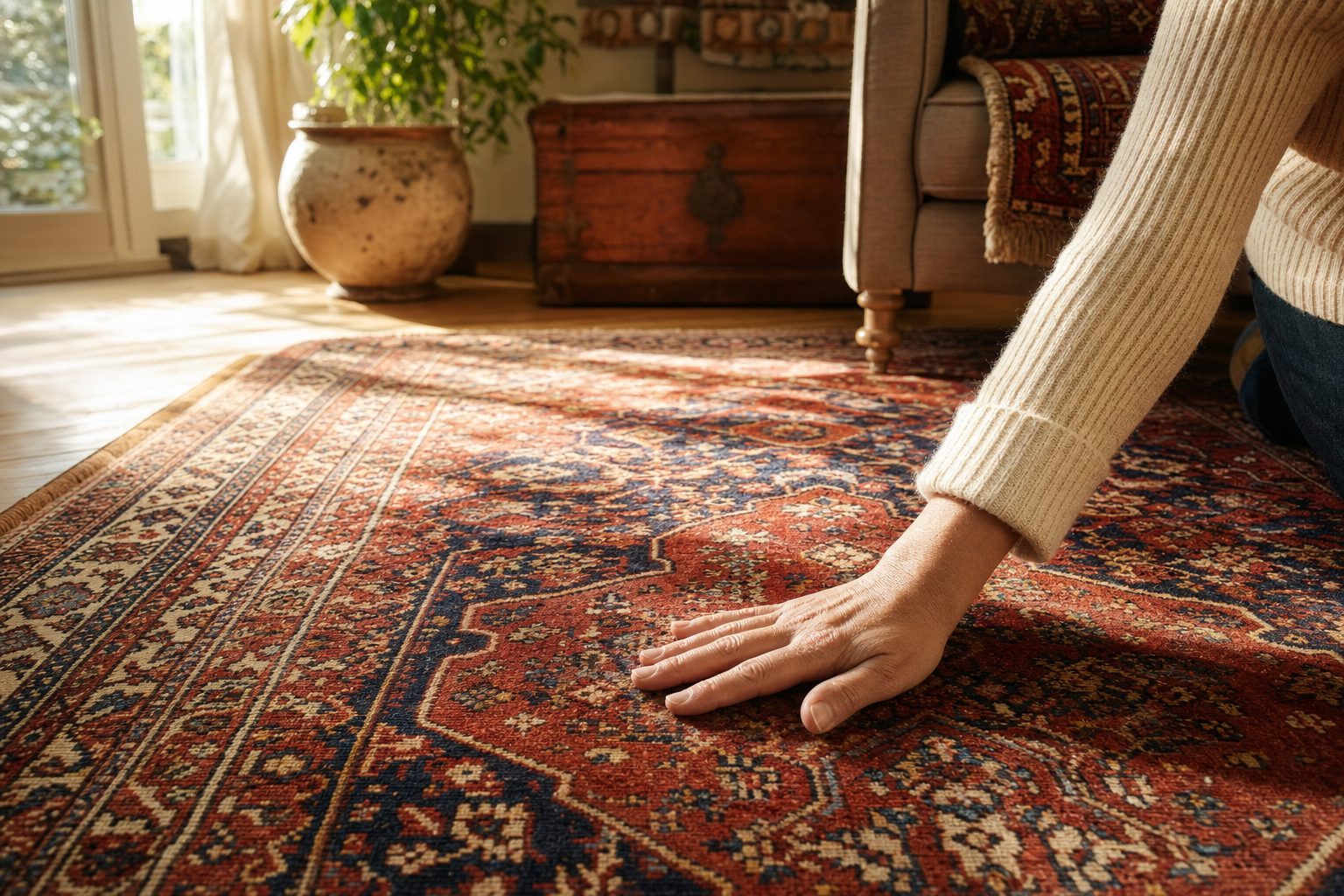
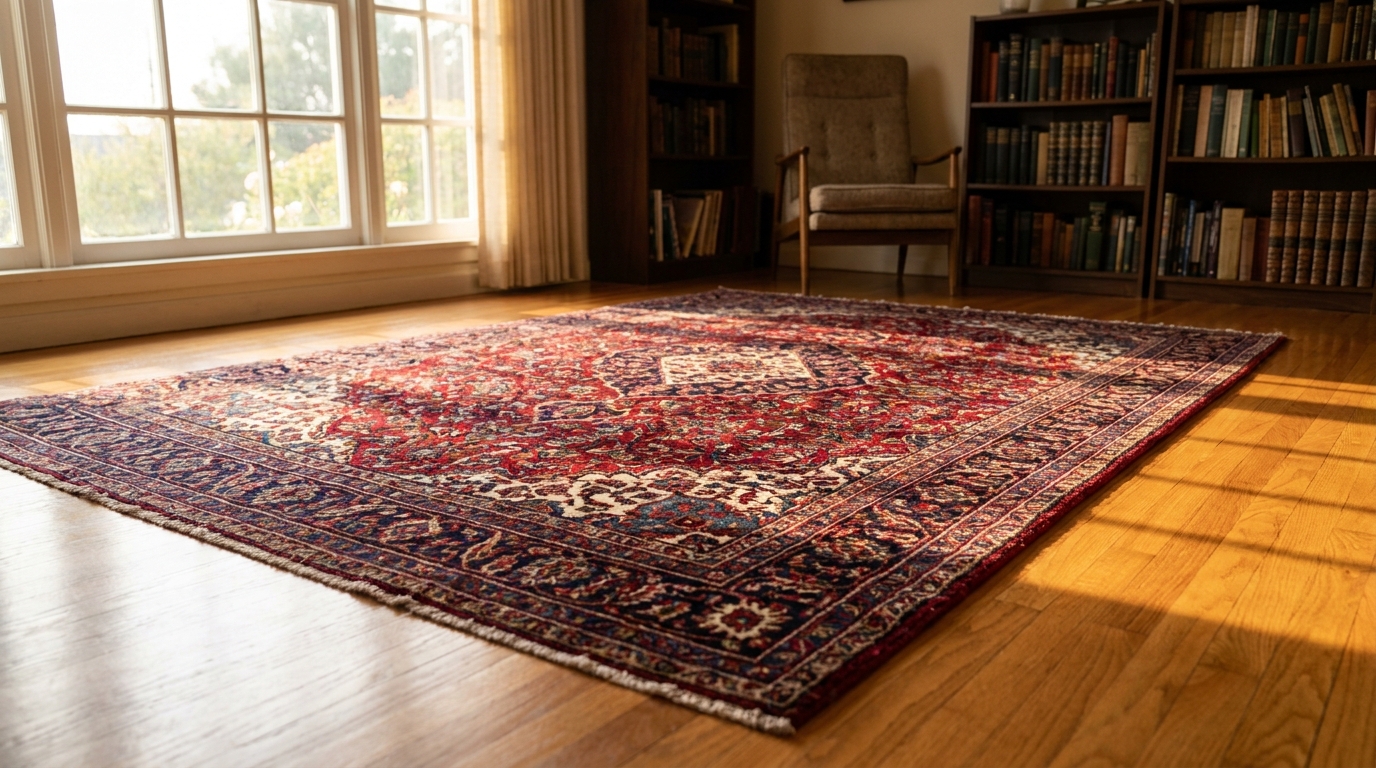
A handmade Art Silk / Silk-Like Fiber rug is one of the most luminous objects a home can hold. Whether it anchors a formal living room in Atherton, adds warmth to a study in Los Altos, or greets guests in a Palo Alto entryway, a fine Art Silk / Silk-Like Fiber rug rewards the eye with a depth and shimmer that no synthetic material can replicate. It also demands a level of care that is fundamentally different from anything a carpet cleaner or steam-cleaning service is equipped to provide.
If you own a Art Silk / Silk-Like Fiber rug in Mountain View or anywhere in the San Francisco Bay Area, this guide will help you understand exactly what makes Art Silk / Silk-Like Fiber so special — and so vulnerable — and what to look for when it comes time for cleaning.
Why Art Silk / Silk-Like Fiber Is Not Like Other Rug Fibers
Art Silk / Silk-Like Fiber fiber is a continuous protein filament produced by silkworms. Unlike wool, which has a naturally scaly, resilient structure, Art Silk / Silk-Like Fiber is smooth, highly absorbent, and chemically sensitive. These properties are precisely what give Art Silk / Silk-Like Fiber rugs their characteristic luster and their ability to hold fine, intricate detail in the weave — but they are also the source of Art Silk / Silk-Like Fiber's fragility.
A few specific vulnerabilities every owner should understand:
- pH sensitivity: Art Silk / Silk-Like Fiber degrades rapidly when exposed to alkaline cleaning agents. Many standard carpet-cleaning shampoos and detergents are alkaline. Even a brief exposure can weaken Art Silk / Silk-Like Fiber fibers, cause color bleeding, or leave a chalky residue that dulls the pile permanently.
- Water sensitivity: Art Silk / Silk-Like Fiber absorbs moisture quickly and unevenly. Improper wetting — especially the kind produced by a steam-cleaning wand — can cause the foundation of the rug to shrink or distort, leaving ripples, waves, or a misshapen border that no amount of stretching can fully correct.
- Dye sensitivity: The natural dyes used in many antique and semi-antique Art Silk / Silk-Like Fiber rugs, and even some modern synthetic dyes, can migrate when wet. Without controlled, careful hand-washing, colors can bleed from one area into another, causing irreversible damage.
- Pile direction and sheen: Art Silk / Silk-Like Fiber pile has a directional quality that affects how light reflects off the rug. Aggressive scrubbing or mechanical agitation — as used in rotary carpet-cleaning machines — can crush or reverse the pile, permanently altering the rug's visual character.
Why Steam Cleaning and Carpet Cleaning Services Are Not the Right Choice
This is not a criticism of carpet cleaning companies — they perform a valuable service for wall-to-wall carpeting and synthetic area rugs. The issue is that the equipment and chemistry designed for those materials is simply not appropriate for handmade Art Silk / Silk-Like Fiber.
Steam cleaning delivers high-temperature, high-pressure moisture into a rug's pile. For a tightly woven wool or synthetic carpet, this can be effective. For a Art Silk / Silk-Like Fiber rug, the combination of heat, pressure, and moisture creates the exact conditions most likely to cause shrinkage, dye migration, and fiber stress. Similarly, the alkaline detergents routinely used in truck-mounted carpet-cleaning systems are incompatible with Art Silk / Silk-Like Fiber's protein structure.
A specialist who works with handmade rugs every day approaches the problem differently: assessing dye stability before any water touches the rug, using pH-balanced, fiber-appropriate solutions, hand-washing with controlled water temperature and pressure, and drying the rug flat in a controlled environment to prevent distortion.
What Proper Art Silk / Silk-Like Fiber Rug Cleaning Actually Involves
At a genuine rug-care facility, cleaning a Art Silk / Silk-Like Fiber rug is a multi-step, hands-on process. It begins with a thorough inspection — examining the foundation, the pile, the fringe, and testing dye stability in an inconspicuous area. Only after this assessment does any cleaning solution or water contact the rug.
The washing itself is done by hand, using soft tools and gentle agitation. Water temperature is carefully managed. Rinsing is thorough and methodical, because any residual cleaning agent left in Art Silk / Silk-Like Fiber fibers can attract soil and cause long-term damage. After washing, the rug is dried flat — never hung while wet, which can stress the warp threads — and inspected again before it is returned to the owner.
This is also the moment to address any repairs that may be needed. Art Silk / Silk-Like Fiber fringe is notoriously delicate and often shows wear before the field of the rug does. A specialist can reattach, restore, or replace fringe in a way that is sympathetic to the original construction. You can learn more about what's possible through our care and restoration services.
How Often Should a Art Silk / Silk-Like Fiber Rug Be Cleaned?
For most households in the Bay Area, a Art Silk / Silk-Like Fiber rug used in a low-traffic area — a formal room, a bedroom, or a display setting — benefits from professional cleaning every two to four years. Rugs in higher-traffic areas, or homes with pets, may need attention more frequently.
Between professional cleanings, routine care is straightforward:
- Rotate the rug every six to twelve months to distribute foot traffic and light exposure evenly.
- Vacuum gently using a suction-only setting, without a beater bar, and always in the direction of the pile.
- Act quickly on spills — blot with a clean white cloth, never rub, and avoid applying any household cleaning product until you have consulted a specialist.
- Use a quality rug pad to prevent slipping and reduce abrasion from the floor surface beneath.
Art Silk / Silk-Like Fiber Rug Cleaning in the Context of Long-Term Value
Many of the Art Silk / Silk-Like Fiber rugs owned by Bay Area families are not simply decorative objects — they are investments. A fine Qum, Hereke, or Kashan Art Silk / Silk-Like Fiber rug, properly maintained, can hold or appreciate in value over decades. Improper cleaning is one of the most common causes of value loss in antique and collectible rugs: faded colors, distorted foundations, and damaged pile are difficult or impossible to reverse.
If you are uncertain about the origin, age, or construction of your rug, a specialist consultation before any cleaning is always worthwhile. Understanding what you own is the first step in caring for it correctly. Our heritage page offers some context on the depth of knowledge that informs this kind of work.
For those who are also considering adding a Art Silk / Silk-Like Fiber or Art Silk / Silk-Like Fiber-blend rug to their home, browsing our collections is a good starting point — knowing a rug's provenance and construction from the moment of purchase makes long-term care considerably easier.
Pickup and Delivery in the Mountain View Area
One practical concern for many homeowners is the logistics of transporting a large or delicate rug. The Rug Center offers pickup and delivery service throughout the San Francisco Bay Area, including Mountain View, Palo Alto, Los Altos, Menlo Park, Atherton, and surrounding communities. There is no need to roll and transport a fragile Art Silk / Silk-Like Fiber rug yourself. Details are available on our visit page.
Choosing the Right Specialist
When evaluating any rug-care provider for a Art Silk / Silk-Like Fiber rug, a few questions are worth asking:
- Do they hand-wash rugs, or use machine or steam-cleaning methods?
- Do they test dye stability before washing?
- Do they have experience specifically with Art Silk / Silk-Like Fiber and other delicate natural-fiber rugs?
- Do they dry rugs flat in a controlled environment?
The answers will tell you quickly whether you are speaking with a generalist or a specialist.
The Rug Center has been serving Bay Area homeowners since 1996, with a family tradition in the rug trade that stretches back generations. Our approach to Art Silk / Silk-Like Fiber rug cleaning reflects that accumulated knowledge — patient, hands-on, and guided by respect for the textile itself.
If you have a Art Silk / Silk-Like Fiber rug that needs cleaning, an assessment, or repair, we invite you to reach out. Call The Rug Center at (650) 815-5606, or visit us at 1347 W El Camino Real, Mountain View, CA 94040. You are also welcome to email us at rugcenter@gmail.com or explore our care and restoration services to learn more before getting in touch.
FAQ
Can I clean my Art Silk / Silk-Like Fiber rug at home?
For routine maintenance — gentle vacuuming and prompt blotting of spills — home care is appropriate. However, full washing of a Art Silk / Silk-Like Fiber rug should always be entrusted to a specialist. Household cleaning products, excessive moisture, and mechanical agitation can all cause permanent damage to Art Silk / Silk-Like Fiber fibers and dyes.
How do I know if my rug is actually Art Silk / Silk-Like Fiber?
A simple burn test on a loose fringe fiber is one method: Art Silk / Silk-Like Fiber burns slowly, smells like singed hair, and leaves a crushable ash. Synthetic fibers melt and smell acrid. However, if you are uncertain, bring the rug to a specialist for identification — misidentifying the fiber type can lead to inappropriate cleaning choices.
Will cleaning affect my Art Silk / Silk-Like Fiber rug's colors?
When done correctly by a specialist using pH-appropriate solutions and dye-stability testing, professional hand-washing should not cause color loss. In fact, removing embedded soil often reveals the original vibrancy of the colors. Improper cleaning — particularly with alkaline detergents or high-pressure steam — is a far greater risk to color integrity.
How long does professional Art Silk / Silk-Like Fiber rug cleaning take?
The timeline varies depending on the size of the rug, its condition, and whether any repairs are needed alongside cleaning. In general, homeowners should expect the process to take at least several days, accounting for washing, controlled drying, and final inspection. The Rug Center can provide a more specific estimate when you bring in or schedule pickup of your rug.